
Equal Pay for Equal Work: Your Fundamental Constitutional Right to Wage Equality Across Genders
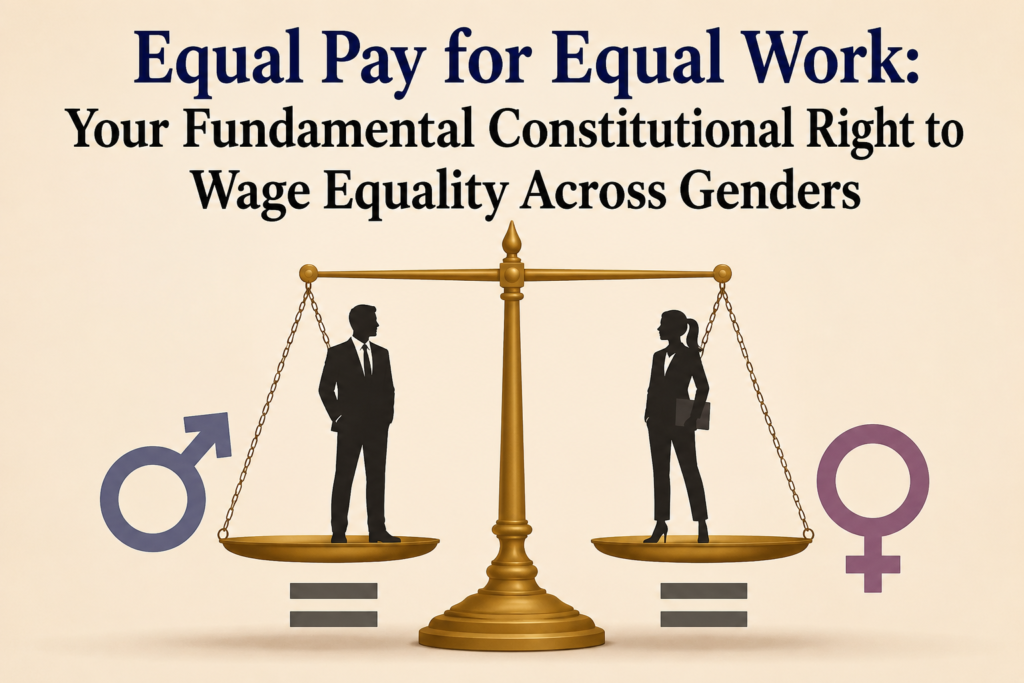
Equal Pay for Equal Work: Your Fundamental Constitutional Right to Wage Equality Across Genders An Analysis of Article 39(d), the Equal Remuneration Framework, and Judicial Enforcement of Wage Parity in India Published In :Lawvaani | Category: Employee Rights Abstract / Introduction A pay slip rarely lies about the value an organisation places on the person […]
Gig Workers and Platform Economy: Are India’s Labour Laws Keeping Pace?
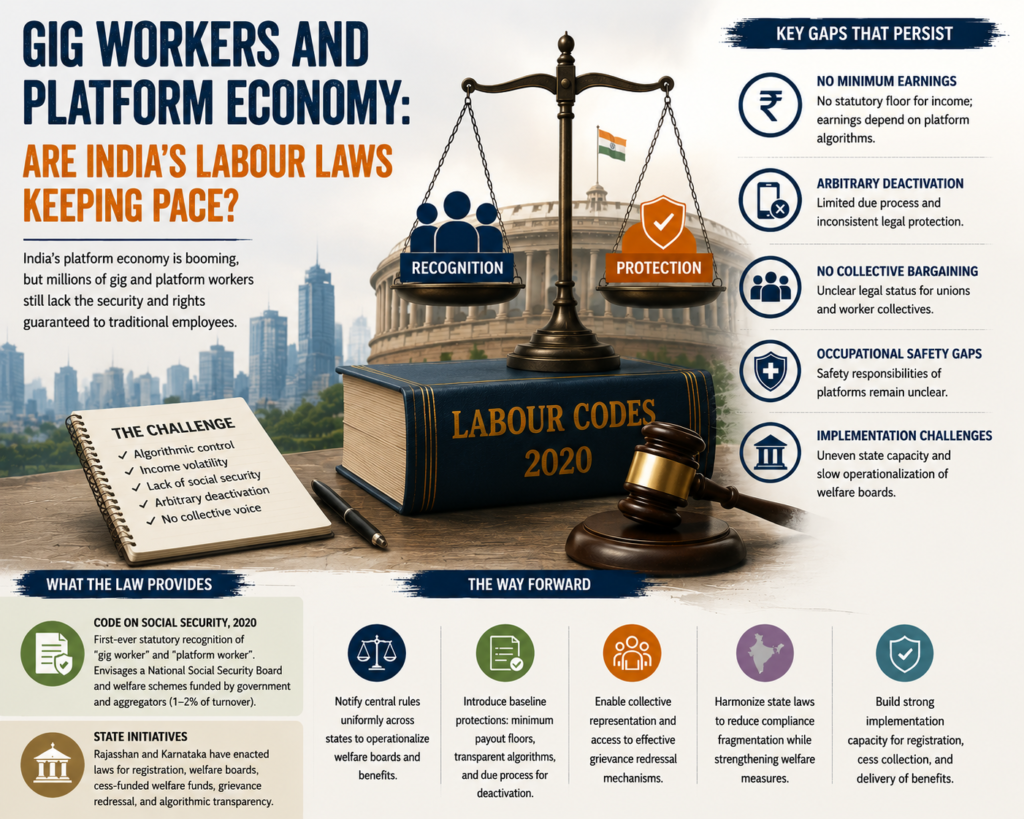
Introduction India’s platform economy has expanded at a pace few regulators anticipated. Ride-hailing, food and grocery delivery, home services, and content-creation platforms now employ millions of Indians in work arrangements that look nothing like the factory-floor employment envisioned by the country’s labour codes. NITI Aayog has estimated that the gig workforce could grow to over […]
Moonlighting in India: Employment Contracts, Confidentiality, and Legal Challenges
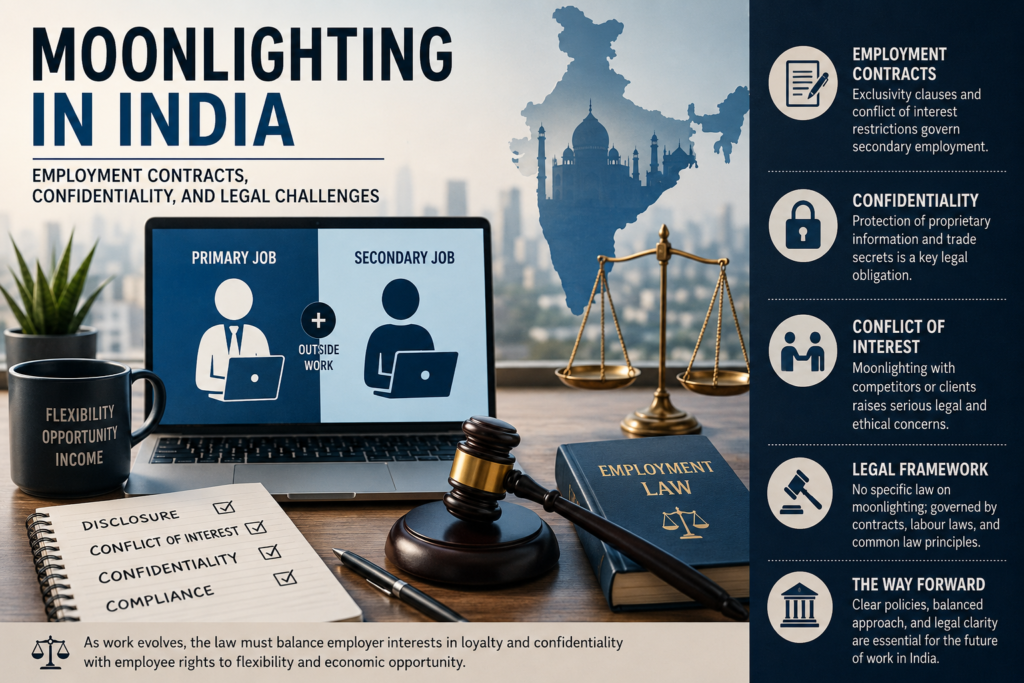
Introduction The COVID-19 pandemic reshaped the Indian workplace in ways few could have predicted, and one of its most contested legacies is “moonlighting” — the practice of employees taking up a second job, freelance assignment, or business venture alongside their primary employment, usually without informing their employer. What began as a niche practice among gig […]
LEGAL Implications of Moonlighting in India: Analysing Employee Rights and Employer Interests Under the Industrial Relations Code,2020

II. Abstract/Introduction Moonlighting has emerged as one of India’s most debated issues in the modern labour market. It is understood as the practice of employees taking a secondary job while working for another employer. The concept of moonlighting became more common during the Covid 19 pandemic in which remote work, freelancing and gig work was mostly practiced, from then on dual employment became normal. Employees view moonlighting as […]
Can a 10-Minute Delay Cost You a Day’s Salary? The Law Explained
I. Introduction Every Monday morning, in offices across Mumbai, Bengaluru, Delhi, and Nagpur, a quiet drama unfolds. The clock hits 9:16. An employee walks in, slightly out of breath, coffee in hand. The biometric machine logs the time. By month-end, that sixteen-minute delay has translated into a salary cut — sometimes calculated on a half-day […]
70-HOUR WORKWEEK: IS IT LEGAL? EMPLOYER POWER vs. EMPLOYEE RIGHTS
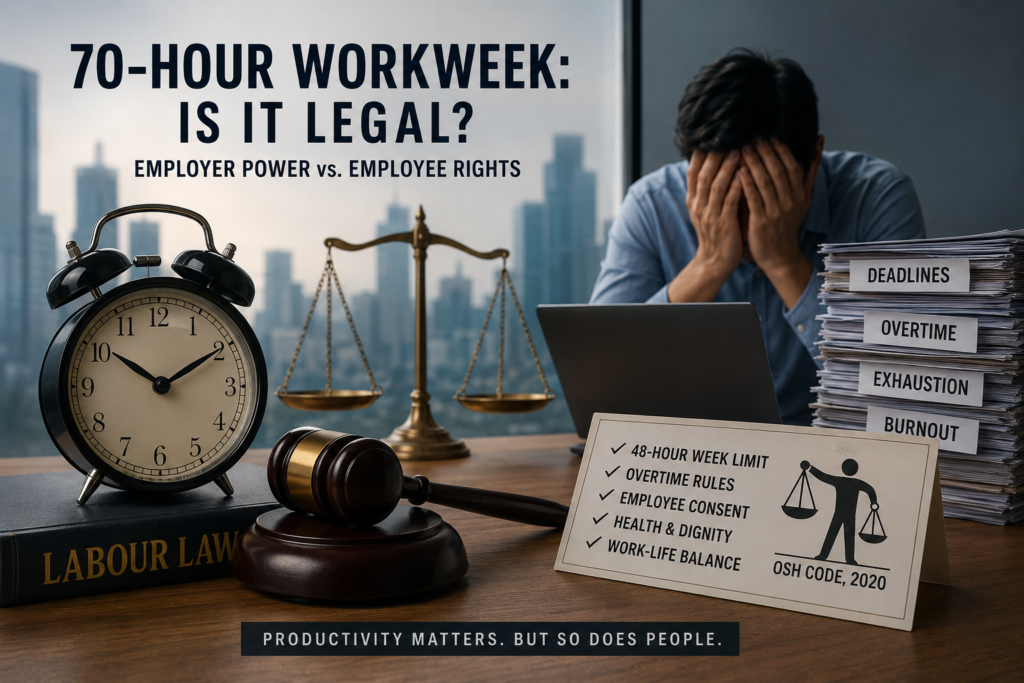
70-HOUR WORK WEEK CONUNDRUM A Critical Appraisal of Employer Power, Employee Rights, and the Occupational Safety, Health and Working Conditions Code, 2020. ☆ ABSTRACT : The proposal of a mandatory 70-hour workweek has generated significant debate in India, particularly following public calls for extended working hours to enhance national productivity and economic growth. While […]
Can an Employer Fire You Instantly Over an “Anonymous” Social Media Post? The Legality of Off-Duty Speech
Introduction In today’s digital world, many employees use social media platforms to share opinions, comments, and personal experiences. Cases involving a fired social media post India dispute have become increasingly common as employers monitor online activities and enforce workplace conduct policies. However, problems can arise when an employer discovers a social media post that it […]
Salary Dedutions for Late attendance: Can your company legally dock your salary for arriving 10-15 minutes late ( Payment of Wages Act, 1936)
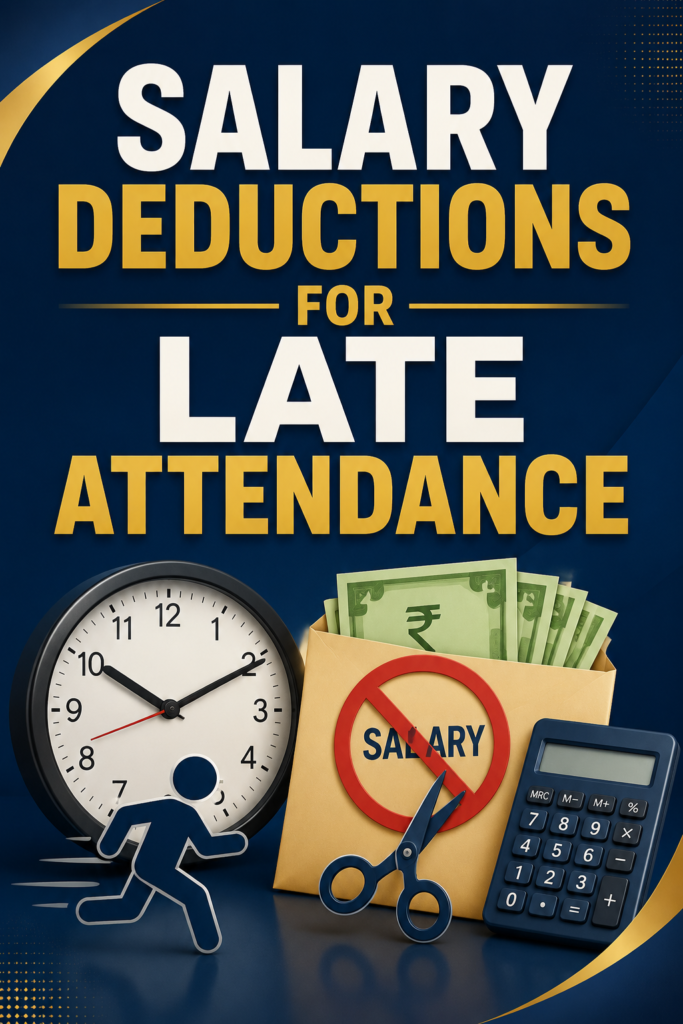
I. Introduction Every Monday morning, in offices across Mumbai, Bengaluru, Delhi, and Nagpur, a quiet drama unfolds. The clock hits 9:16. An employee walks in, slightly out of breath, coffee in hand. The biometric machine logs the time. By month-end, that sixteen-minute delay has translated into a salary cut — sometimes calculated on a half-day […]
Legal Safeguards for Gig Workers
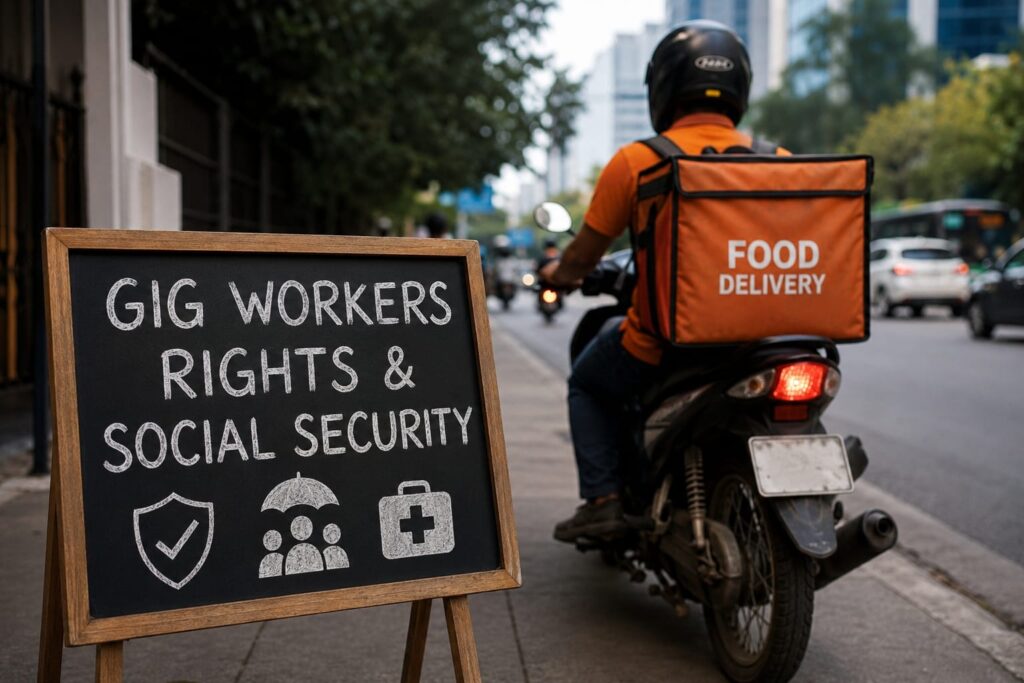
Legal Safeguards for Gig Workers under the Social Security Code, 2026: Introduction The rapid rise of the digital economy has fundamentally altered traditional labour relations across the globe, and India has emerged as one of the largest and fastest-growing markets for platform-based employment. Millions of individuals today participate in app-mediated work arrangements, providing transportation, food […]
Employee Bag Searches and Personal Chat Monitoring: Does a Private Employer Have the Legal Right to Monitor Your Personal Chats at the Office?

Abstract One of the key conflicts in today’s workplace has been quietly coming to a head. Each day, millions of workers arrive at work with their personal phones, personal bags, and personal lives — and many employees don’t know just how much their employer is legally entitled to look at, search, and record. This article […]