
Private Property and Business Losses During Demonstrations: Injunctions, Compensation and Insurance
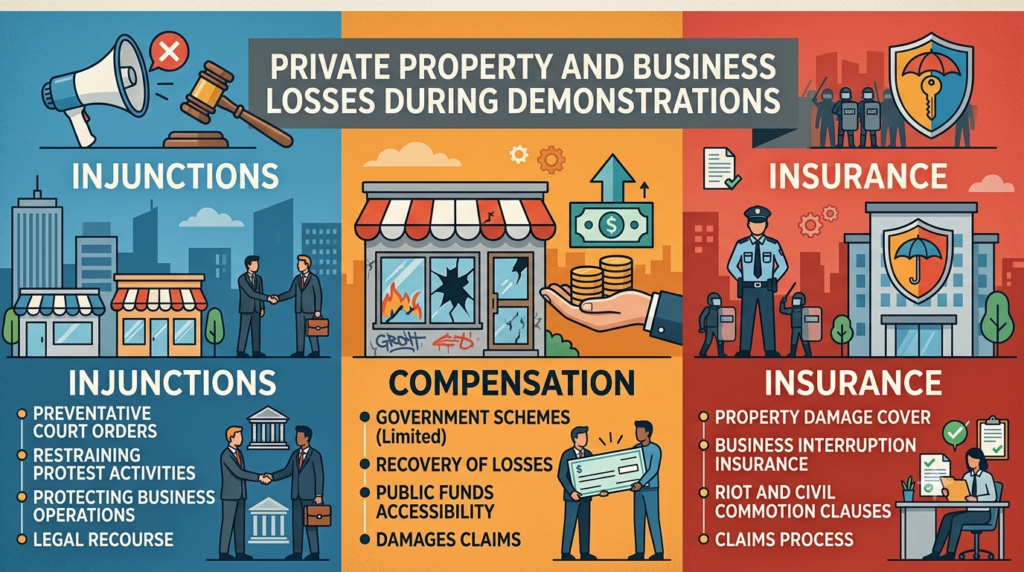
Abstract Demonstrations, protests, strikes, bandhs and public agitations are an important part of democratic participation. The right to assemble peacefully and express dissent is constitutionally protected in India, subject to reasonable restrictions. However, when a peaceful demonstration turns violent and results in destruction of private property, the legal consequences extend beyond criminal liability. Owners of […]
Renting a Terrace for Telecom Equipment: Consent, Radiation Objections and Revenue Rights in Housing Societies
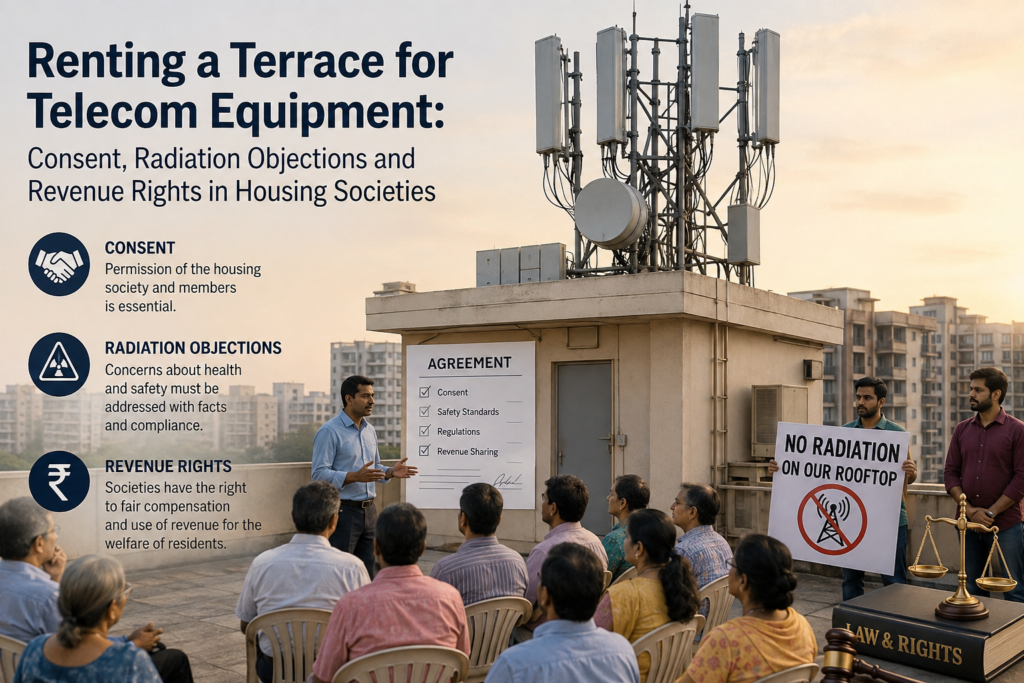
KEYWORDS: cell tower on apartment roof consent, telecom tower rental income, electronic radiation, housing society telecom rules, telecom revenue rights. INTRODUCTION: The establishment of telecommunications towers and antennas on residential terraces raises interconnected questions of property law, telecom regulation, and public health. Housing societies, whether structured as cooperative societies or apartment owners’ associations must […]
Can Senior Citizens Recover Digital Assets Gifted to Children Under Section 23?
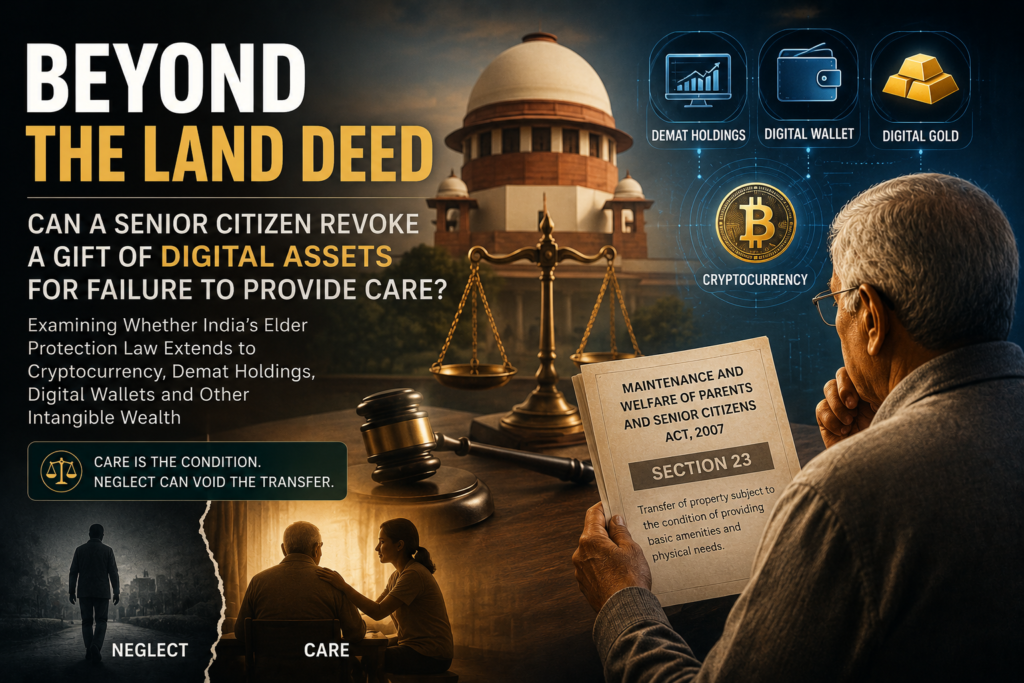
Can Senior Citizens Recover Digital Assets Gifted to Children Under Section 23? Examining Whether India’s Elder Protection Law Extends to Cryptocurrency, Demat Holdings, Digital Wallets and Other Intangible Wealth By Sanjay Kumar Pilla | Topic: Elder Rights and Digital Property Law | Practice Area: Senior Citizens’ Rights, Property Law, Digital Assets and Succession Introduction Section […]
Damage to Public Property During Protests: Criminal Liability, Recovery and Evidentiary Standards.

Abstract Public protests are a constitutionally protected form of dissent. However, when protests turn violent and result in destruction of public property, the State faces a dual challenge: safeguarding the right to protest and protecting public assets funded by taxpayers. In India, this issue has gained judicial and legislative attention through statutes like the Prevention […]
Stridhan Beyond Legal Recognition: Bridging the Gap Between Women’s Proprietary Rights and Practical Enforcement under Indian Family Law

Stridhan Beyond Legal Recognition: Bridging the Gap Between Women’s Proprietary Rights and Practical Enforcement under Indian Family Law you should rely on primary sources, reputed legal databases, and scholarly blogs rather than general websites. Abstract Stridhan occupies a unique position within Indian family law as a woman’s absolute and exclusive property, symbolising not merely material […]
Cross-Border Succession and Inheritance: Determining the Applicable Law for Immovable and Digital Assets in an Evolving Global Legal Order

Cross-Border Succession and Inheritance: Determining the Applicable Law for Immovable and Digital Assets in an Evolving Global Legal Order Author Uchit Kesarwani Law Intern, Law Vaani Abstract The recent increasing flow of people, capital, investments and digital assets across territorial boundaries has thus revolutionised succession law. One might not only have immovable […]
Foreign Investment in Real Estate and Housing Rights: Regulating Speculation Without Breaching International Economic Obligations

Foreign Investment in Real Estate and Housing Rights: Regulating Speculation Without Breaching International Economic Obligations Author – Tamanna Verma Introduction The increasing global movement of capital has transformed real estate from a largely domestic asset into an international investment opportunity. Foreign investment in the real estate sector has contributed to economic growth by bringing […]
Transparency on Trial: The Right to Information Act and Judicial Accountability in India
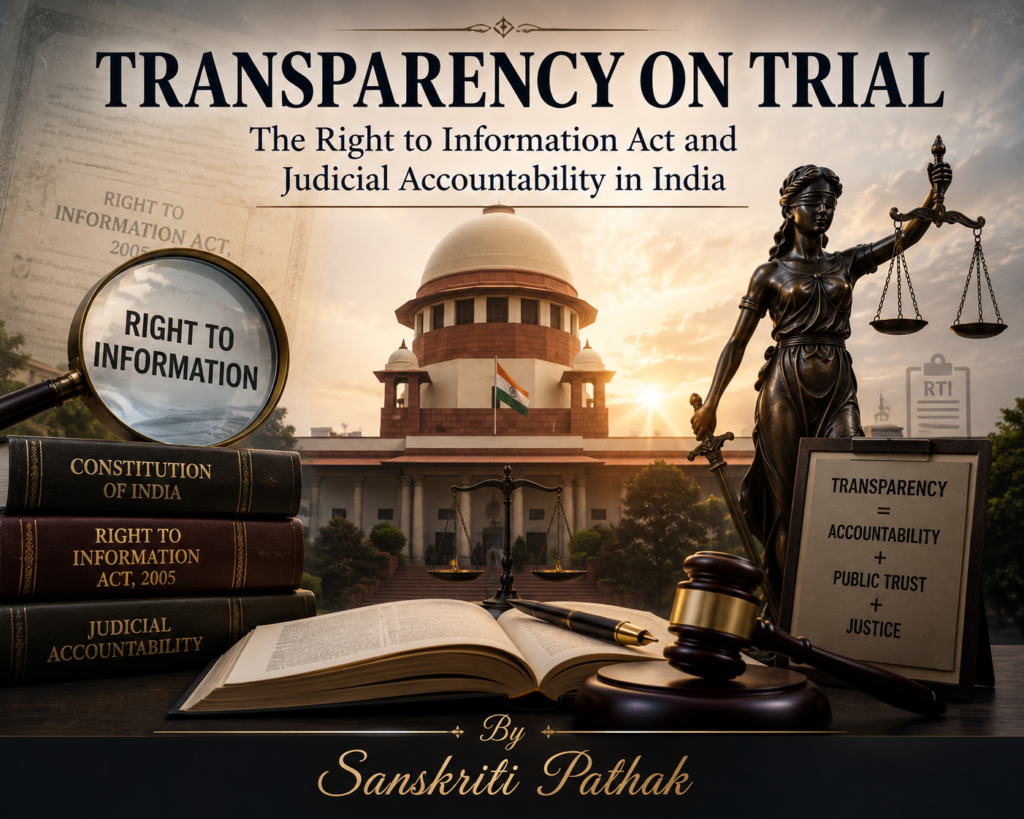
Transparency on Trial: The Right to Information Act and Judicial Accountability in India A Critical Analysis of Transparency, Judicial Independence, and the Public’s Right to Know Abstract The Right to Information Act, 2005 (RTI Act) represents one of India’s most transformative legislative measures aimed at promoting transparency, accountability, and participatory governance. By recognizing citizens’ right […]
Is It Legal for a Landlord to Disconnect Your Electricity or Lock You Out Over Rent Disputes?
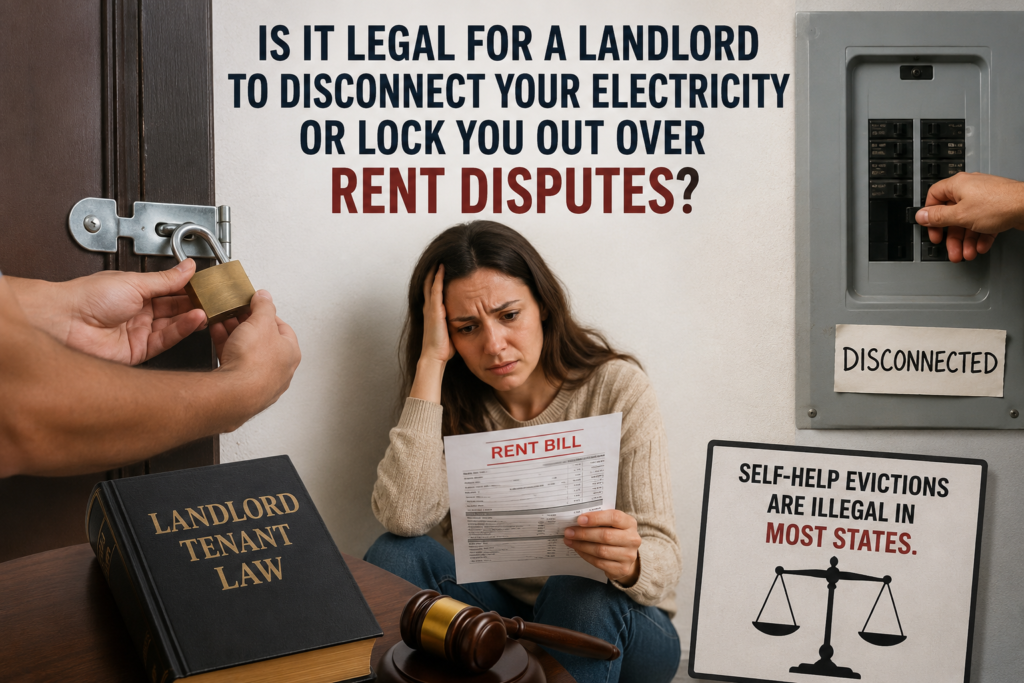
ABSTRACT The practice of landlords disconnecting electricity or changing locks to coerce tenants into vacating premises during rent disputes describes a fundamental challenge to the rule of law and constitutional governance in India. This paper examines the legality of such “self-help” eviction tactics, arguing that they constitute a clear violation of constitutional guarantees, statutory protections, […]
Understanding RERA Complaints: A Complete Guide to Filing Cases Against Builders and Recovering Booking Amounts
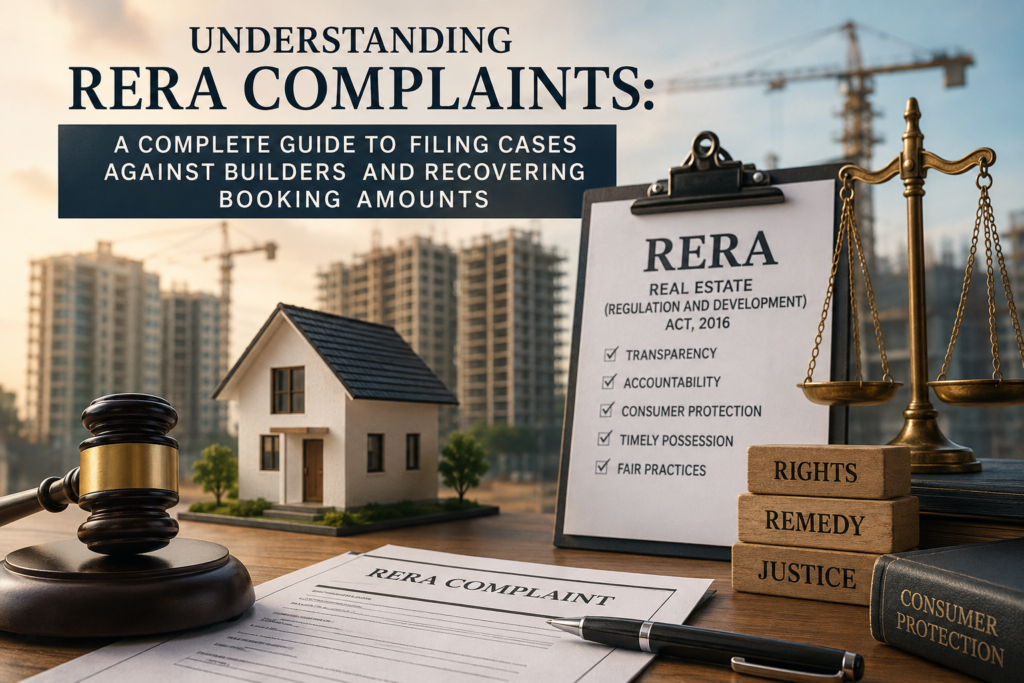
Abstract The enactment of the Real Estate (Regulation and Development) Act, 2016 (RERA) marked a significant reform in India’s real estate sector by introducing a regulatory framework aimed at ensuring transparency, accountability, and consumer protection. Before the introduction of this legislation, homebuyers frequently encountered issues such as delayed possession, misleading project advertisements, arbitrary cancellation charges, […]