
Annulment vs Divorce: Key Differences, Legal Grounds and Practical Consequences
Annulment vs Divorce: Key Differences, Legal Grounds and Practical Consequences Author: Prince Saini Introduction Marriage creates a legal relationship between two individuals. When that relationship faces serious problems, Indian matrimonial law provides different remedies depending upon the nature of the dispute. Two remedies that are often confused are annulment and divorce. Although both can bring […]
When Does Mental Illness Become a Ground for Divorce? Legal Standards, Medical Evidence and Protection Against Stigma

When Does Mental Illness Become a Ground for Divorce? Legal Standards, Medical Evidence and Protection Against Stigma Introduction Mental illness is not an easy subject to discuss, especially when it becomes part of a divorce case. The situation becomes even more complicated when one spouse claims that the other person’s mental condition has made it […]
Who Decides a Child’s Schooling and Medical Care After Parents Separate?
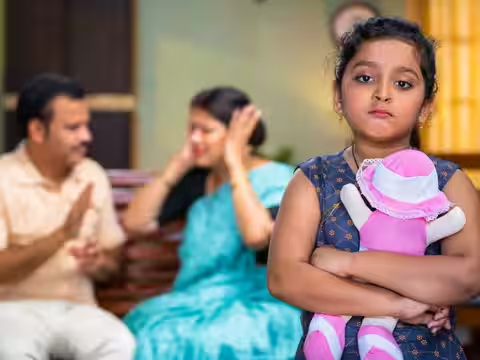
Who Decides a Child’s Schooling and Medical Care After Parents Separate? Apart from the custody issue in cases of separation, another practical question that comes to the fore is who makes decisions about the education of the child, who will treat the child, what treatment he will receive and so forth. A simplistic answer is […]
Recovering Stridhan After Domestic Violence: Civil Protection, Criminal Complaint and Proof of Ownership
Abstract Stridhan is property belonging exclusively to a woman, including qualifying gifts and property acquired by her. When a marriage breaks down in circumstances involving domestic violence, jewellery, cash and other belongings may remain with the husband or his relatives. Indian law provides several routes to seek their return. The Protection of Women from Domestic […]
Joint Bank Accounts, Nominees and Shared Investments: What Spouses Should Know About Ownership
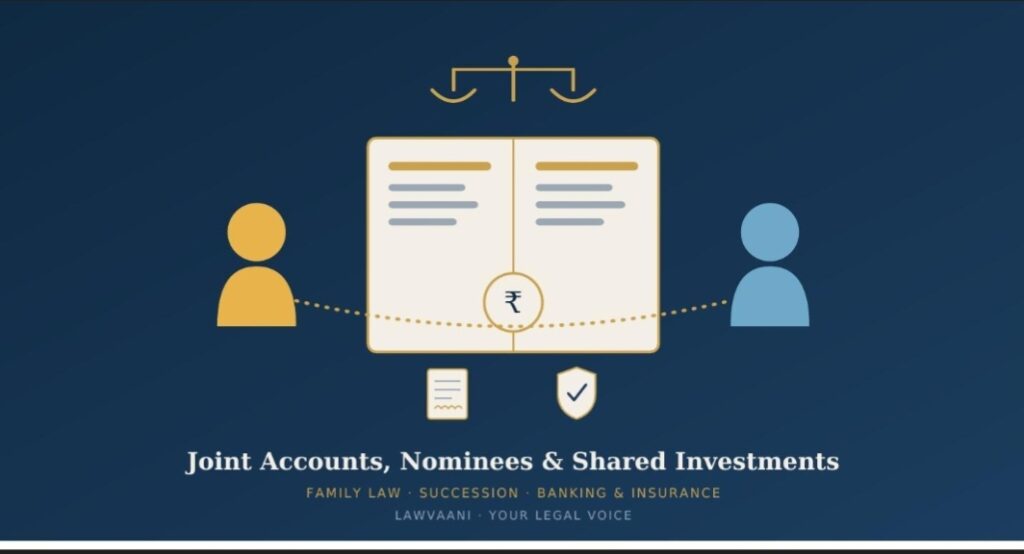
Short answer: being a joint holder, a nominee, and a legal heir are three different legal positions. A person can occupy one, two, or all three at once, but the legal consequences aren’t identical — and which one controls the money depends on the specific asset (bank deposit, mutual fund, demat holding, or life insurance […]
Mental and Physical Cruelty as Grounds for Divorce in India: Legal Test, Evidence & Supreme Court Cases
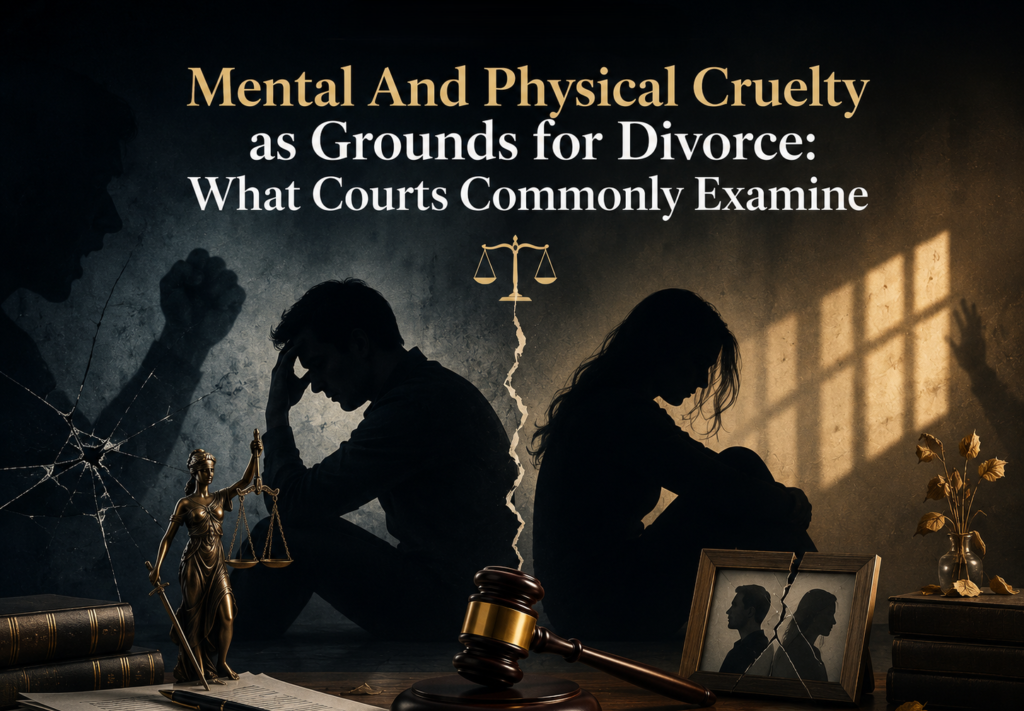
Mental and Physical Cruelty as Grounds for Divorce in India: Legal Test, Evidence & Supreme Court Cases Author – Tamanna Verma Introduction Under Section 13(1)(ia) of the Hindu Marriage Act, 1955, cruelty is recognised as an independent ground for divorce. The real legal question is not whether one spouse has behaved badly, but when […]
Controlling Salary, Withholding Money, or Selling Assets: Recognising and Proving Economic Abuse
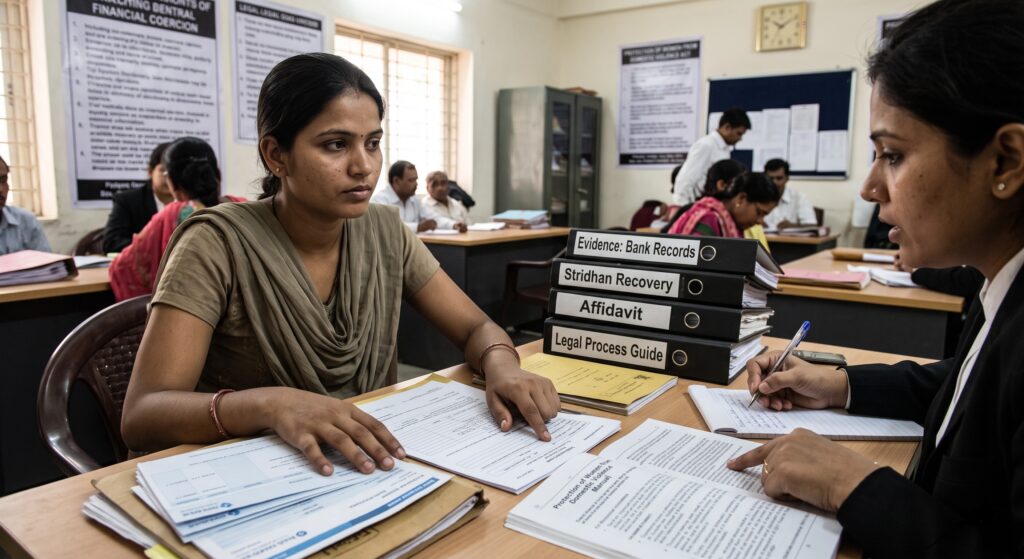
Abstract Domestic violence is popularly understood as a physical act — a slap, a shove, a blow. This understanding, though widely held, is incomplete. A significant proportion of intimate partner and family abuse in India leaves no visible mark at all. It appears instead as a locked joint account, a salary slip the wife is […]
Child Relocation in India: Can One Parent Move With a Child?

Child Relocation in India: Can One Parent Move With a Child? Author: Durva Awhad Legal Review: Adv. Avni Jha Category: Family Law Primary Keyword: Child Relocation in India Last Updated: 28 August 2026 About the Author Durva Awhad is a BA LL.B. student with an interest in Family Law, legal research and contemporary legal issues. […]
Grandparents’ custody and visitation rights in India

Grandparents’ Custody and Visitation Rights in India: When Courts May Permit Contact or Care Introduction Grandparents often play an important role in raising and supporting children. They may provide day-to-day care, emotional support, financial assistance and continuity when a family faces separation, the death of a parent or other difficult circumstances. However, when a dispute […]
Shared Parenting in India: Judicial Doctrine Ahead of the Law
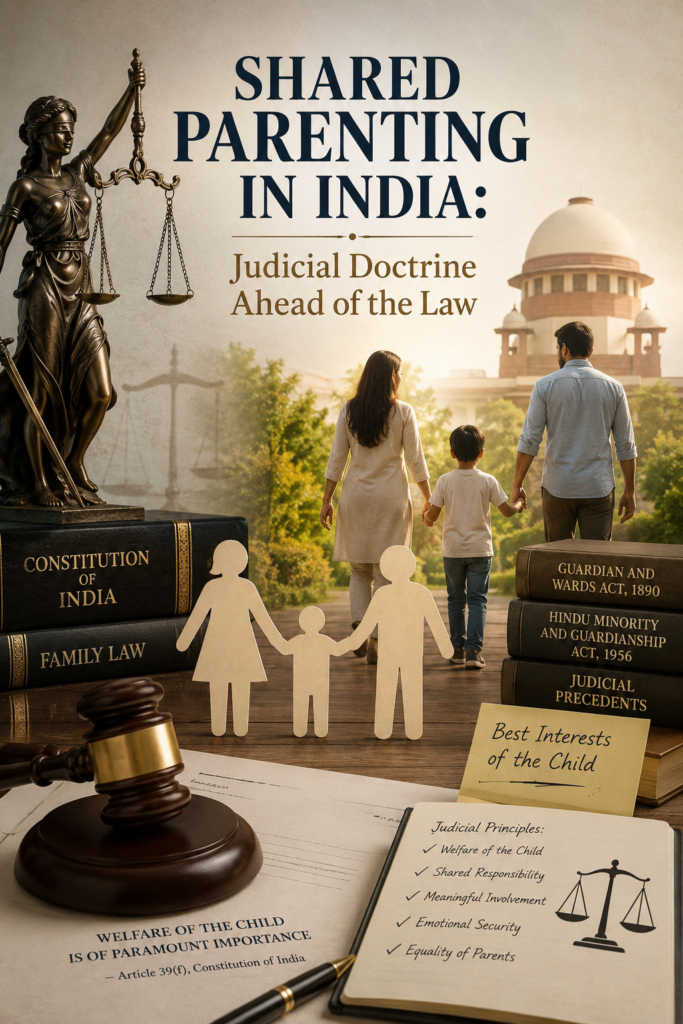
Parenting Plans, Practical Arrangements, and the Gap Left by an Unenacted Reform I. Introduction There is no general statutory right to equal s hared custody in India. Courts decide custody and parenting arrangements primarily on the welfare of the child, and depending on the facts, they can and do order structured contact or shared arrangements […]